

Đề về kép hôm sau đánh con gì thì tỷ lệ thắng cao? Nhiều chuyên gia chốt số thích tính số dựa trên dàn đề sát kép. Bạn hãy thử đọc những chia sẻ ngay dưới đây từ alternativeright.com, biết đâu sẽ có được kha khá kinh nghiệm.
Đề về kép là gì?
Các bước sau đây được thực hiện để xác định xem kết quả xổ số ngày hôm sau có chứa đề kép hay không. Trước hết, hãy xem bảng giải đặc biệt để tìm xem có sự trùng lặp nào giữa hai số đầu hoặc giữa hai dãy số nào không. Sự trùng lặp có thể xuất hiện trong kết quả xổ số ngày hôm sau.
Ngoài ra, nếu bạn thấy đầu câm hoặc đuôi câm trong kết quả xổ số, đó là một dấu hiệu khác cho thấy có thể xuất hiện đề kép trong ngày đó.
Hiện tại, phương pháp dự đoán lô đề bao gồm các loại đề kép khác nhau, ngoài đề kép truyền thống:
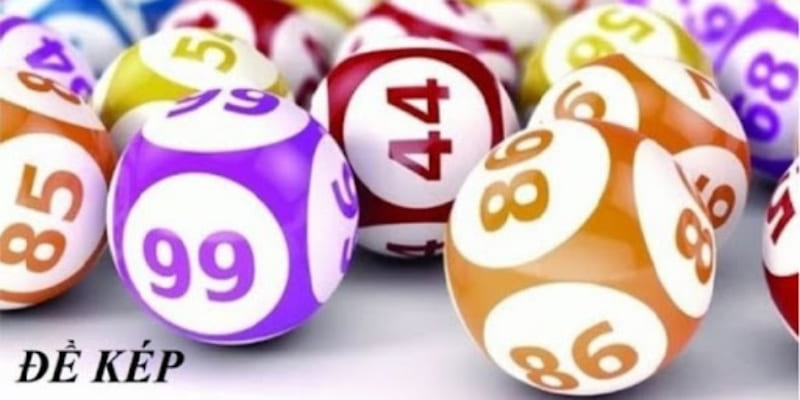
- Đề bằng kép thường là 00, 11, 22, 33, 44, 55, 66, 77, 88, 99.
- Đề lệch kép: Các số lệch kép như 050, 161, 272, 383, 494.
- Đề kép âm: Chẳng hạn như 070, 141, 292, 363, 585.
- Đề sát kép: Các số có hai đề sát, chẳng hạn như 010, 090, 121, 232, 343, 454, 565, 676, 787 và 898.
Đề về kép hôm sau đánh con gì để phát tài?
Khi phát hiện đề về kép, chắc chắn trong đầu các anh em sẽ hiện ngay lên câu hỏi “đề về kép hôm sau đánh con gì dễ trúng?”. Điều này đã được các chuyên gia đúc kết như sau:

Trường hợp đề về kép bằng thì sao?
Một trong những cách chơi hiệu quả nhất hiện nay là bắt đề kép bằng. Nhiều cao thủ chuyên nghiệp trong ngành sử dụng phương pháp bắt lô này. Vì vậy, đánh lô gì để trúng lớn hôm sau? Anh em cùng xem xét các con số sau:
- Khi đề về 00, hôm sau đánh số 03, 60, 52, 87.
- Khi đề về 11, hôm sau đánh số 01, 29, 86, 18
- Khi đề về 22, hôm sau đánh số 70, 94, 07 và 49.
- Khi đề về 33, hôm sau đánh số 07, 32, 23 và 70.
- Khi đề về 44, hôm sau đánh số 28, 93, 39 và 82.
- Khi đề về 66, hôm sau đánh số 02, 84, 48 và 20.
Nếu đề về kép lệch hôm sau sẽ đánh số gì?
Ngoài phương pháp bắt kép bằng, người chơi cũng không thể bỏ lỡ cách chơi kép lệch. Nếu đề về kép hôm sau đánh con gì, câu trả lời nằm ở nội dung sau:
- Ví dụ hôm nay đề về 16 hôm sau đánh số 60, 06, 01, 10.
- Ví dụ hôm nay đề về 50 hôm sau đánh số 51, 20, 02, 15.
- Ví dụ hôm nay đề về 05 hôm sau đánh số 03, 50, 05, 30.
- Ví dụ hôm nay đề về số 61 hôm sau đánh số 23, 69, 96, 32.
- Ví dụ hôm nay đề về 83 hôm sau đánh 95, 92, 59, 29.
- Ví dụ hôm nay đề về 72 hôm sau đánh 59, 83, 38, 95.
- Ví dụ hôm nay đề về 38 hôm sau đánh 23, 67, 32, 76.
- Ví dụ hôm nay đề về 94 hôm sau đánh 56, 60, 06, 65.
- Ví dụ hôm nay đề về 27 hôm sau đánh 00, 61, 16, 55.
- Ví dụ hôm nay đề về 49 hôm sau đánh 33, 03, 30, 88.
Xem thêm: Cách bắt đề chẵn lẻ là gì và hé lộ cách soi kèo hiệu quả
Đề về kép hôm sau đánh con gì đối với kép âm?
Vấn đề xuất hiện kép âm cũng mang lại cho người chơi nhiều lựa chọn đặt cược khác nhau. Bạn có thể chọn một trong những ví dụ để nghiên cứu lô đề phù hợp.
- Đề hôm nay về 92, hôm sau đánh số 26, 21, 12, 62.
- Đề hôm nay về 36, hôm sau đánh số 33, 25, 52, 88.
- Đề hôm nay về 58, hôm sau đánh số 22, 08, 80, 77.
- Đề hôm nay về 29, hôm sau đánh số 68, 01,10, 86.
- Đề hôm nay về 14, hôm sau đánh số 98, 33, 88, 89.
- Đề hôm nay về 63, hôm sau đánh số 01, 08, 80, 10.
- Đề hôm nay về 07, hôm sau đánh số 38, 19, 91, 83.
- Đề hôm nay về 85, hôm sau đánh số 20, 11, 02, 66.
- Đề hôm nay về 70, hôm sau đánh số 13, 06, 60, 31.
Chọn số nào nếu đề về sát kép
Đề về kép đánh con gì theo dạng sát kép cũng được rất nhiều đề thủ quan tâm. Dưới đây là một số gợi ý chuẩn xác để người chơi tham khảo:
- Đề về sát kép 10 ngày mai bạn nên đánh con 89, 98, 44, 99
- Đề sát kép về 01 hôm sau bạn có thể đánh ngay 44, 99, 07, 70
- Khi đề về sát kép 90 thì ngày mai thử đánh ngay 36, 63, 39, 93
- Nếu đề sát kép về 09 hôm sau thử đánh số 38, 83, 68, 86
- Đề sát kép về con 21 thì rất có thể ngày mai sẽ ra 13, 31, 16, 61
- Đề về sát kép 12 thì mai thử vận may với các số 16, 61, 22, 77
- Hôm nay về sát kép 32 hôm sau có thể phát tài với các số 24, 42, 49, 94
- Khi sát kép về con 23 thì ngày hôm sau bạn hãy thử đánh con 26, 62, 44, 99
- Đề sát kép về số 43 thì hôm sau nên chọn đánh số 18, 81, 00, 55
- Đề về sát kép 34 ngày mai có thể gặp may với con 37, 73, 28, 82
- Đề hôm nay về sát kép 54 thì ngày mai bạn có thể đánh 44, 99, 54, 45
- Đề hôm nay xuất hiện sát kép 45 thì mai anh em nên đánh 03, 30, 14, 41
- Sát kép 65 xuất hiện thì ngày mai có thể đánh con 28, 82, 13, 31

Trên đây là câu trả lời của BJ88 khi được hỏi “đề về kép hôm sau đánh con gì”. Đây cũng là cách tính lô từ dàn đề kép hiệu quả nhất của các cao thủ. Hy vọng thông tin này sẽ giúp bạn sớm phát tài.